You meet someone good at a workshop, a conference, or a local business breakfast. You talk for ten minutes. They understand what you do. Then you both move on, and nothing happens.
That is not a content problem. It is a memory problem. The meeting was warm, but there was no simple next step that both of you could keep.
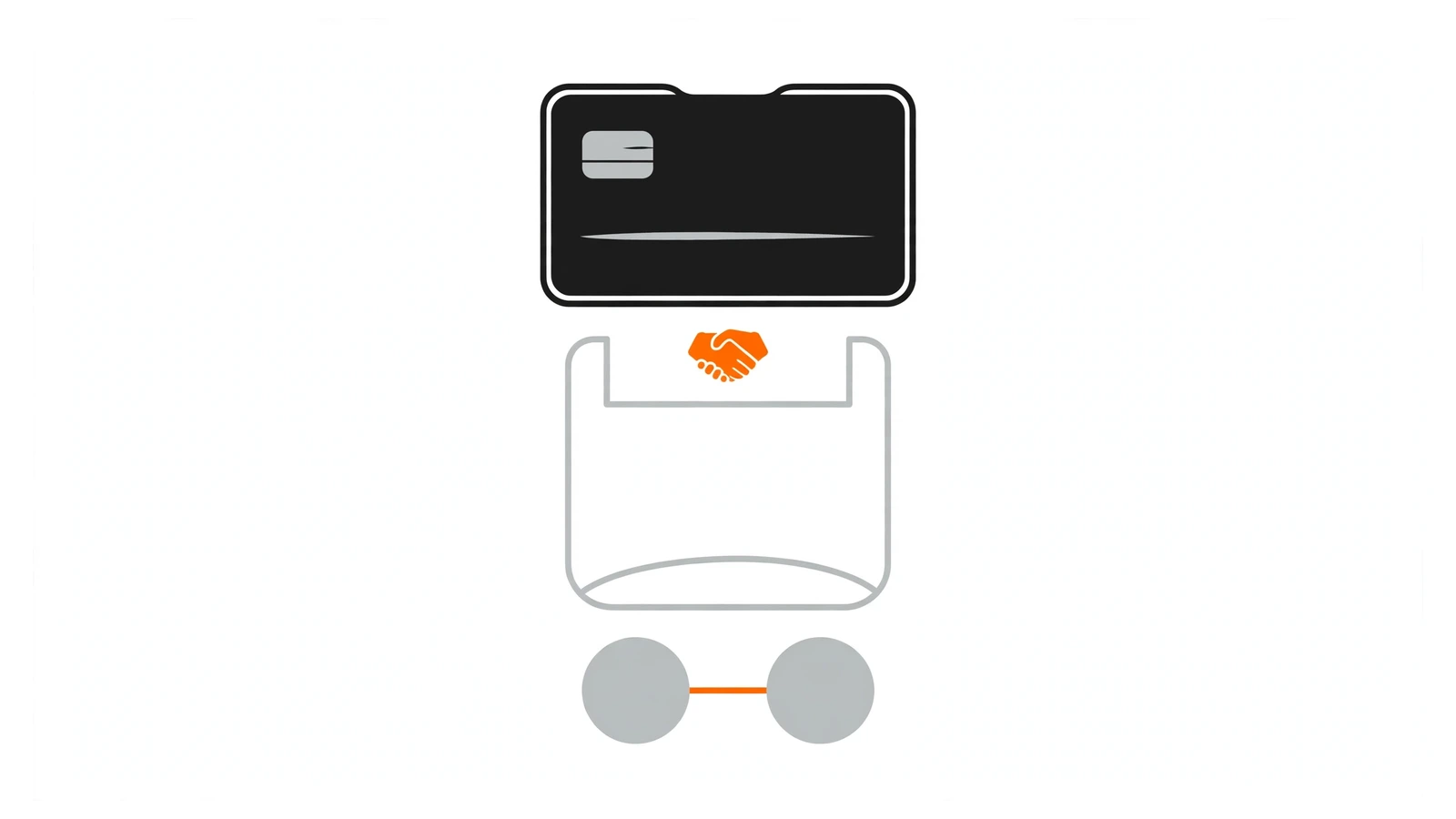
LinkedIn announced two tools on 15 October 2026 that speak directly to that gap: a digital business card you can keep in your phone wallet, and a separate Network feed that shows posts only from connections and people you follow. Neither tool books a client on its own. Together, they give a real meeting a better chance of turning into a remembered conversation.
The direct answer is this: use the card to make the connection easy at the meeting, write one private note the same day, and send one useful follow-up instead of a sales pitch. Then post for the people you already know, not only for strangers.
Why does a good meeting still go cold on LinkedIn?
A paper card gets lost in a bag. A connection request sent three days later, with no note, looks like every other request. Even when the person accepts, your next post has to compete with a feed full of strangers, trending topics, and recommended posts.
The buyer does not forget you because you were uninteresting. They forget you because nothing reminded them, clearly and soon, of the exact conversation you had. A coach who helps new managers, a consultant who fixes messy onboarding, or a founder who builds pricing pages all face the same test: can the person you met recall, one week later, what problem you solve and for whom?
If the answer is no, more posts will not fix it. A clearer follow-up will.
What is the LinkedIn digital business card?
LinkedIn describes the digital business card as a card you can design and personalise to express who you are professionally, add to your digital wallet, and use to stay connected with people you meet in person. LinkedIn says it is rolling out globally over the coming months, so it may not be in your app yet. Check your own profile before you promise it to a client.
Early reports describe a card built from your profile, with a headshot, a job role, and a scannable code that links to your profile. That detail matters less than the job the card does. It removes the awkward pause at the end of a conversation, when both people search for a pen, a card, or the right spelling of a name.
Think of the card as a door, not a brochure. It should lead to a profile that says, in plain words, who you help and what problem you solve. If your headline is vague, the card will send a warm contact to a cold profile. Fix the headline first. The same test applies here as in the article on why LinkedIn posts get likes but no clients: a post or profile that could belong to anyone gives a new contact no reason to remember you.
What is the Network feed, and who sees it?
The Network feed is a test, not a replacement for the main feed. LinkedIn says it is testing a dedicated feed that brings posts from your connections and people you follow, making it easier to keep up with the people you know and trust. There are no algorithmic recommendations in that feed, according to the announcement coverage.
The test is rolling out in select markets, starting with the United States, India, the United Kingdom, and Australia. That list matters for a practical reason. If your buyer is in one of those markets, they may soon have a second place to see your posts: one feed for discovery, and one feed for people they already chose to follow.
Do not read too much into the Network feed yet. LinkedIn has not published how it will change reach, and no one outside LinkedIn can promise that a post in that feed will be seen by every connection. Treat it as a reason to earn the connection in the first place, not as a guarantee of attention.
Why does this pair matter more than a bigger follower count?
A follower count is a public number. A remembered conversation is a private asset. The business card helps you collect the second kind of asset at the exact moment when trust is highest: face to face, after a useful talk.
The Network feed then changes the value of that asset. In the main feed, a new connection may never see your next post. In a connections only feed, that same person has a clearer path back to you, because the feed is built from people they already know.
This is also why the card is different from the paid calls LinkedIn announced in the same October package. Paid Advice Sessions are a separate tool for selling a one to one call, currently limited to verified Business Premium members in the United States. That tool was covered in the separate article on selling paid calls on LinkedIn, and it is not the subject here.
The card does not sell anything. It keeps a meeting alive long enough for a real conversation to happen.
How do you use the card at a real meeting?
Keep it simple, and use it only when the conversation has earned it. A card offered in the first minute feels like a pitch. A card offered after a useful exchange feels like a next step.
Try this order at your next event:
- Talk first. Ask what they are working on, and listen for the problem, not for a chance to pitch.
- Offer one useful idea before you offer the card. A short, specific suggestion beats a long description of your services.
- Share the card, and say what will happen next in one sentence. For example: "I will send you the checklist we talked about tomorrow morning."
- Write a private note the same day, while the details are fresh. LinkedIn says Premium members can save private notes on a profile, so you can record where you met, what they asked about, and what you promised. If you do not have that feature, write the same note in your own contacts app. The tool matters less than the hait.
- Send what you promised, on time. A late follow-up undoes the trust the meeting built.
One more detail: do not collect cards like points. Ten warm contacts with notes and follow-ups are worth more than fifty names you cannot place a week later.
What do you write in the first follow-up?
Do not open with your services, your packages, or a booking link. Open with the conversation you actually had.
A useful first message has three short parts. First, the meeting: where you met and what they were working on. Second, the promised item: the checklist, article, or example you said you would send. Third, one open question that invites a reply, not a yes or no answer about buying.
For example: "Good to meet you at the workshop yesterday. You mentioned onboarding takes too long for new hires. Here is the short checklist we talked about. Which step causes the most delay on your team right now?"
That message does three jobs at once. It proves you listened. It delivers value before asking for anything. And it gives the other person something easy and specific to answer.
If they reply, you have a conversation. If they do not reply, wait, then send one kind reminder with something else useful. After that, stop chasing. A quiet no is still an answer, and chasing it will cost you the goodwill you earned in person.
How do you post for the people you already know?
Once you have real connections from real meetings, your posts need to speak to them as well as to strangers. A post that only chases broad reach can feel generic to the very people who just met you.
Write your next post as if one of those new contacts will read it. Name the problem they described, without naming them. Show one judgement you made, one mistake you see often, or one question you would ask before starting the work. That kind of post helps a new connection place you: this is the person who thinks clearly about my problem.
This is also where a wider system matters. A LinkedIn connection on its own is still rented reach, because LinkedIn decides what that person sees next. Turning followers into an email list you can reach gives you a direct route to the same people, without depending on any feed.
You do not need to move every new contact to email at once. Offer one clear resource, and let the people who want it raise their hand. The rest can stay as LinkedIn connections, and your Network feed posts can keep you familiar until they are ready.
How do you check whether it worked in four weeks?
Do not judge this by follower growth. Judge it by what happened after real meetings. Use your own numbers only, because no borrowed benchmark can tell you whether your meetings were good.
After four weeks, count these four numbers from your own notes:
- Meetings where you shared the card or exchanged a connection.
- Follow-ups you sent on time, with the promised item included.
- Replies that turned into a real conversation about a problem.
- Conversations that turned into a booked call.
Then look at the pattern, not just the total. If step one is high and step two is low, your problem is follow-up, not meeting more people. If step two is high and step three is low, your follow-up may be too generic, or the promised item may not match the problem they described. If step three is high and step four is low, your next step may be unclear, and that is where a simple content to client system helps.
Change one thing in the next four weeks, based on the weakest step. Change the opening line, the promised item, or the question you ask. Do not change all three at once, or you will not know what helped.
LinkedIn says the number of members adding founder to their profiles rose 70 percent over the past year, and more people now list more than one ongoing role. That trend, reported by LinkedIn, helps explain why these networking tools arrived together. More people are meeting as founders, side builders, and consultants, not only as employees. The card and the Network feed fit that world: people you meet in person, work you do in more than one place, and a feed that keeps you close to people you already know.
Your job is not to collect every new LinkedIn feature. Your job is to make sure the next good meeting does not go cold. Share the card when the conversation earns it, write the note the same day, send one useful follow-up, and post for the people you already know. Then check your own four numbers, and fix the weakest step.
If you want help turning those meetings into a steady flow of conversations and booked calls, start with the Social Media Strategy service page.
Sources and further reading
LinkedIn is adding new tools to help people with their side hustles
LinkedIn Wants to Pay Creators Now. Here is What is Live, and Where